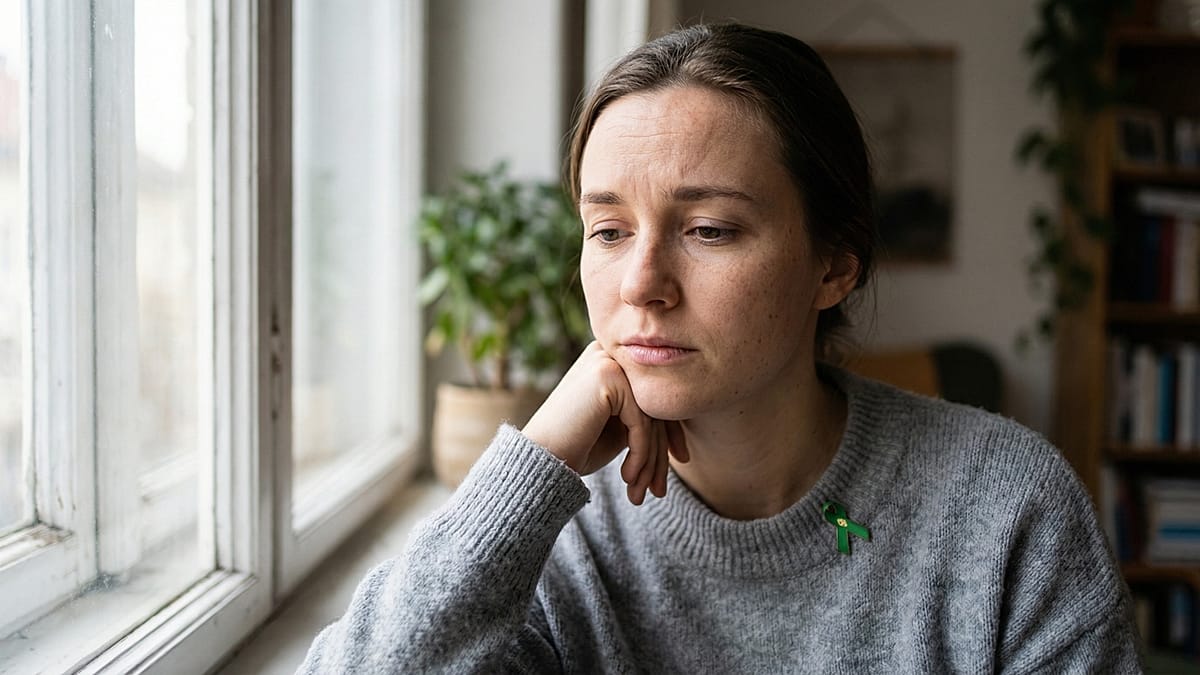
From the beginning of December, female workers in Spain experiencing severe and impairing health issues linked to the menopause will gain access to a dedicated medical leave framework. Built on previous legislative steps addressing workplace health, the reform aims to provide structured support for conditions that have historically received little formal attention in professional environments.
Understanding the New Framework
Accessing the leave is not automatic simply due to age or the natural transition of the menopause. A medical professional must officially diagnose a secondary disorder or associated symptom that temporarily prevents the individual from carrying out their professional duties. Severe hot flushes, chronic sleep disturbances, fatigue, and concentration difficulties can significantly disrupt daily life, but only conditions rising to the level of incapacitating will qualify for the specific medical leave documentation.
Once a doctor issues the necessary documentation, the process integrates directly with electronic social security channels, meaning employees do not need to physically hand paper notices to their employers.
Financial Structure and Contributions
The financial provisions of this new leave introduce notable adjustments compared to standard procedures for common illnesses. Under typical regulations, benefits in Spain are often restricted during the initial days of absence. For this specific menopause leave, the company covers the salary for the first day, and social security benefits begin on the second day.
Eligible workers will receive a benefit equal to 60% of the regulatory base for the first 20 days, increasing to 75% from day 21 onward. Furthermore, the standard requirement of having contributed to social security for a minimum of 180 days over the preceding five years is waived, ensuring that women meeting the medical criteria can receive support regardless of their recent contribution history.
Broader European Context
This update follows Spain's pioneering introduction of paid leave for incapacitating menstruation in 2023. While other European nations such as Germany, Portugal, Greece, Italy, and Turkey provide general sick leave options for individuals unable to work, they largely lack specific regulatory categories or financial adjustments tailored to the menopause.
The reform has sparked considerable discussion regarding how national labor models handle chronic or stage-specific health conditions. Some observers argue that these specific frameworks risk singling out demographic groups or complicating hiring dynamics, with one observer noting, "an employer might choose to hire a man over a woman if they offer technically the same expertise in this case, just because a woman will supposedly work less hours and be sick more."
Conversely, supporters emphasize that the measure addresses financial hurdles embedded in standard leave systems, particularly concerning unpaid waiting periods. Highlighting the practical realities of the local framework, another participant pointed out, "In Spain, if you are sick for 3 days, that is literally unpaid. This new law allows women to get paid on the second day if it was due to menopause related issues." As the rules take effect, the policy stands as a distinctive approach within Europe toward adapting modern social security systems to the diverse health needs of the workforce.

